TSA Carry-On Size Rules (2026): Guidelines & Restrictions
Passing through airport security can be a breeze if you understand the official tsa carry on size regulations. Many travelers mistakenly believe that the Transportation Security Administration (TSA) enforces suitcase dimensions at checkpoints. In reality, while the TSA inspects the contents of your cabin baggage, the size limits are dictated and enforced by the airline you are flying with.
This 2026 guide explains the relationship between TSA security screenings and airline carry-on regulations, focusing on the standard **international carry on size** constraints, the famous 3-1-1 liquid rule, and how to prepare your luggage for a fast, stress-free checkpoint screening.
Does the TSA Restrict Suitcase Dimensions?
The short answer is **no**. The TSA does not measure the height, width, or depth of your carry-on bags at security. However, your suitcase must be able to fit through the X-ray machine scanner tunnel. If your bag is too large to fit through the security scanner (which is rare for standard carry-ons but common for oversized musical instruments or sports gear), you will be directed to check it at the airline counter.
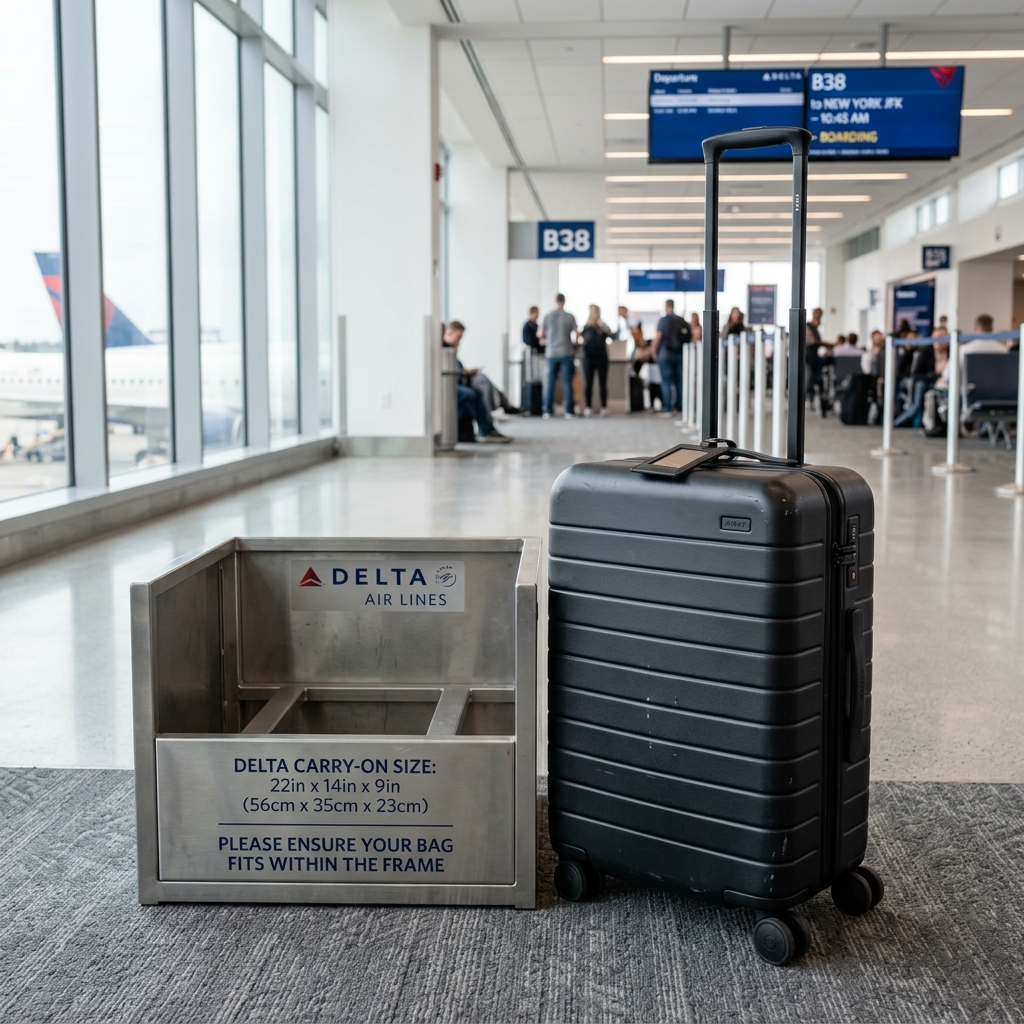
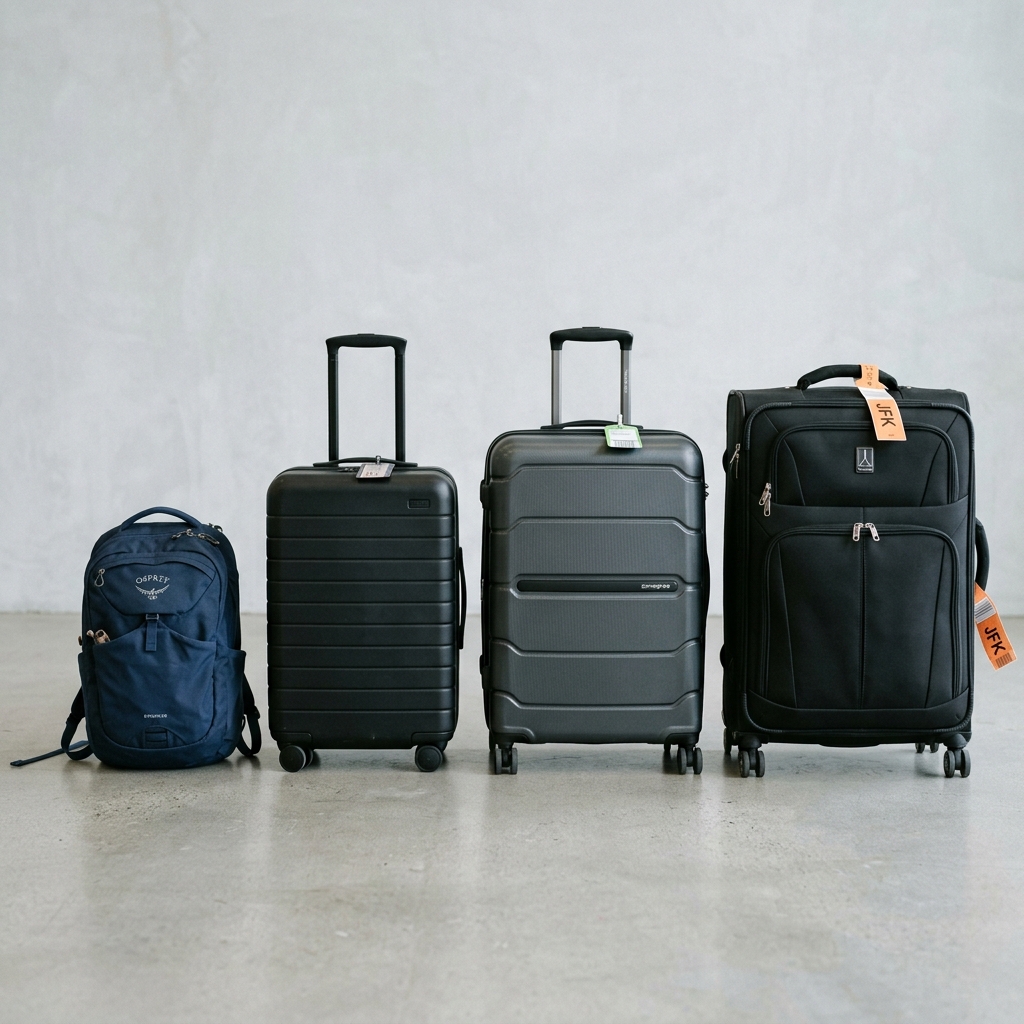
It is the **airline gate agents** who enforce suitcase sizes using the metal sizer boxes at the boarding gates. To make sure you satisfy both the TSA scanner limits and the airline rules, aim for the standard dimensions of **22 x 14 x 9 inches (56 x 36 x 23 cm)**.
The TSA 3-1-1 Liquid Rule for Carry-Ons
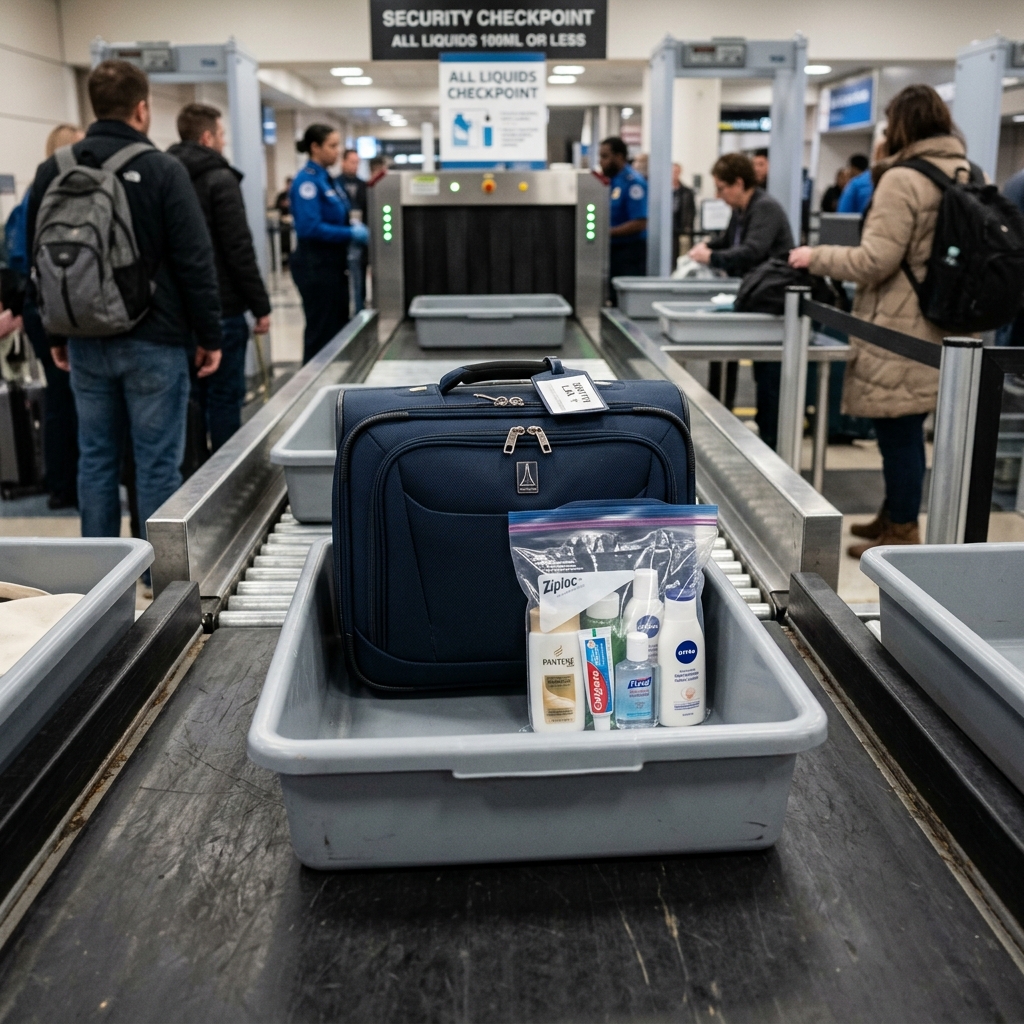
The most common reason for passenger delays at security is liquid violations. The TSA strictly enforces the **3-1-1 liquid rule** for all carry-on items (see the official TSA Liquids Rule):
- 3.4 Ounces (100ml): All liquids, gels, creams, pastes, and aerosols must be in containers of 3.4 oz (100 ml) or less.
- 1 Quart Bag: All containers must fit inside a single, clear, transparent, resealable plastic bag of 1-quart capacity (approx. 20 x 20 cm).
- 1 Bag per Passenger: Only one quart-sized bag is allowed per traveler. You must remove this bag from your carry-on and place it in a security bin for scanning (unless you have TSA PreCheck).
Note on exemptions: Essential medical liquids, baby formula, breast milk, and baby food are exempt from the 3.4 oz limit. You must declare these items to TSA officers at the start of screening.
Prohibited Items in TSA Cabin Baggage
Ensure none of these items are packed in your carry-on bag, as the TSA will confiscate them:
- Sharp Objects: Knives, box cutters, pocket knives, and scissors with blades longer than 4 inches.
- Flammable Materials: Aerosol spray paint, fuels, lighter fluid, and strike-anywhere matches.
- Self-Defense Items: Pepper spray, brass knuckles, and heavy tactical tools.
Similar Baggage Guides
American Airlines Baggage Policy
Avoid fees on your flight with American Airlines. View carry-on sizes, checked bag weight limits, and rules.
Delta Baggage Policy
Avoid fees on your flight with Delta. View carry-on sizes, checked bag weight limits, and rules.
United Baggage Policy
Avoid fees on your flight with United Airlines. View carry-on sizes, checked bag weight limits, and rules.

Samuel Brown is a travel researcher with 5+ years of experience analyzing airline rules and global travel regulations. He specializes in simplifying complex airline policies to help travelers avoid extra fees and fly with confidence. His work focuses on accuracy, clarity, and up-to-date information across international carriers.